As dog owners, seeing a beloved family member limp can be deeply worrying. While minor paw irritation or a mild strain can occasionally resolve with brief rest, limping frequently signals an underlying structural, joint, or neurological issue that requires specialized medical intervention. Waiting too long to address lameness (limping) can lead to secondary joint wear or prolonged discomfort, making early diagnosis critical for long-term mobility and quality of life.
If your dog is limping, knowing when to move past simple rest and seek a specialist is essential. Here are five key warning signs that your dog should be evaluated by a veterinary surgeon for potential orthopedic surgery or advanced medical care.
When to Get Help for a Limping Dog
Seek veterinary care right away if your dog cannot put weight on a leg, has severe pain or swelling, drags a paw, or seems sick while limping. A mild limp that lasts or keeps coming back also deserves an exam. Your veterinarian can find the cause and tell you if your dog needs a surgery consultation or another type of care.
Five Signs a Limping Dog May Need a Veterinary Surgeon
1. Inability to Bear Weight, Severe Pain, or Recent Trauma
If your dog is completely refusing to bear any weight on the affected leg, it indicates significant pain or structural compromise (broken bone, torn ligament). Sudden non-weight-bearing lameness is a classic sign of acute conditions such as a torn cranial cruciate ligament (ACL, which helps keep the knee stable) or bone fracture.
Immediate veterinary evaluation is needed if your dog:
- Cries out, yelps, or flinches when you touch or move the limb.
- Begins limping after a high-impact event, such as a fall, rough play, dog fight, or vehicle accident.
Severe, sudden pain or trauma-induced lameness should never be managed with a “wait-and-see” approach at home; it requires prompt veterinary assessment.
2. Visible Swelling, Deformity, or Swollen Joints
Not all orthopedic issues remain hidden beneath the surface. You should schedule a surgical consultation if you observe:
- Visible swelling or an abnormal limb angle, which often indicates broken or abnormally formed bones, or joint dislocations.
- Swollen joints commonly indicate significant joint inflammation, instability, or infection.
Physical deformities and marked joint swelling signify that internal structural tissues have been altered and require specialized diagnostic evaluation and treatment.
3. Neurological Deficits and Loss of Coordination
Limping is not strictly an orthopedic or bone issue; it can also stem from the nervous system and spinal cord. A consultation with a veterinary surgery specialist or veterinary neurologist is critical if your dog shows signs such as:
- Dragging a limb or knuckling their paw (walking on the top of the paw rather than the pad).
- Seeming disoriented, uncoordinated, or unstable while moving.
Nerve pain or spinal cord compression can closely mimic joint lameness, and early specialist intervention is vital to protect nerve function.
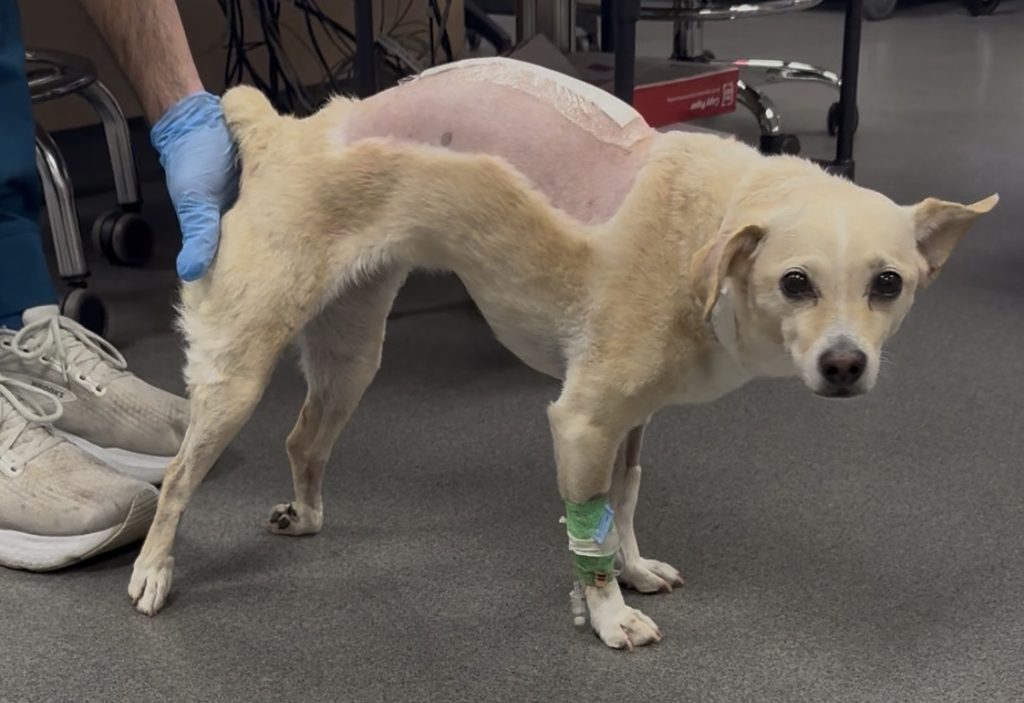
4. Persistent, Intermittent, or Progressive Lameness
While mild limping after heavy activity can sometimes be monitored for 24 to 48 hours, long-standing or recurring lameness warrants advanced care:
- Limping longer than 3-5 days: Chronic lameness that does not resolve with short-term rest and exercise restriction should be thoroughly evaluated by a veterinarian.
- Intermittent lameness: A limp that waxes and wanes (comes and goes), shifts between different legs, or reappears after exercise often points to conditions like hip dysplasia, elbow dysplasia, ligament injuries, or progressive arthritis.
- Difficulty rising: Struggle getting up from rest, reluctance to climb stairs, unwilling to exercise, or difficulty jumping into vehicles are classic indicators of joint pain and arthritis.
- Loss of muscle mass: Noticeable muscle atrophy (loss of muscle) or asymmetry between the legs reveals that your dog has been chronically shifting weight off the painful limb for an extended period of time.
5. A Limp Combined with Systemic Symptoms
A limp accompanied by signs of generalized illness points to a systemic (body-wide) or infectious process that demands urgent medical oversight. Seek immediate care if the limp occurs alongside:
- Fever or shaking.
- Lethargy, weakness, or loss of appetite.
Infections, joint abscesses, or systemic tick-borne conditions (such as Lyme disease) can cause severe joint pain and body-wide illness alongside lameness.
What the First Surgical Consultation Looks Like
If your primary veterinarian recommends a referral or if your dog displays any of the warning signs above, a surgery specialist consultation provides a comprehensive path toward recovery. Here is what happens during an initial surgical visit:
Detailed History
The specialist will discuss when the limping began, whether it came on suddenly or gradually, and how it affects daily activities like rising or stair climbing. Bringing videos of your dog walking or limping at home can be extraordinarily helpful, as pets often hide pain due to excitement or adrenaline in the hospital setting.
Comprehensive Gait & Orthopedic Exam
The surgeon will observe your dog walking and trotting in straight lines, circles, and turns to isolate weight-shifting patterns. They will then gently palpate (feel) each joint and muscle group from the toes up to the hip or shoulder, checking range of motion, joint stability, spinal sensitivity, and muscle mass symmetry.
Advanced Imaging and Tests
To pinpoint the exact location and severity of the issue, the specialist may recommend digital X-rays (radiographs), CT or MRI scans, bloodwork, or joint fluid analysis (arthrocentesis).
Tailored Treatment & Recovery Plan
Following an exam, the surgeon will walk you through recommended diagnostic testing and all available treatment avenues. Depending on the diagnosis, options may range from orthopedic surgery for your dog to targeted non-surgical management, prescription pain management (NSAIDs, a type of anti-inflammatory medicine), physical rehabilitation, weight management, or advanced therapies. At Sunstone Veterinary Specialists in Portland, you will leave with clear diagnostic and treatment recommendations, in addition to transparent cost estimates to help you make an informed decision for your furry family member.
Learn more about veterinary surgery at Sunstone Veterinary Specialists.
Disclaimer: This guide is for educational purposes and does not replace professional veterinary medical advice. If your pet is in severe pain or showing life-threatening symptoms, contact your veterinarian or seek emergency veterinary care right away.