When your pet needs care, you want to know who will be by their side. So what does it mean when that doctor introduces themselves as an intern?
The word might bring a student to mind, but veterinary interns are already doctors. They have finished school, earned their degrees, and chosen to take their training further.
Choosing more training means taking on tough cases, learning from mentors, and putting in the work to grow their skills. It is a path worth celebrating.
At Sunstone Veterinary Specialists in Portland, Oregon, we are proud to support that work. Knowing the training behind each title can help you get to know your pet’s care team, from interns to board-certified specialists.
Veterinary Internships: Choosing to Learn More
Veterinary school prepares doctors to care for pets through classroom learning and hands-on clinical work. Once they earn their degree and meet licensing requirements, they are ready to practice.
An internship is optional, not a required step to become a practicing veterinarian. Doctors choose it to build on what they already know, with added training and guidance from mentors.
Small Animal Rotating Internships: Experience Across Veterinary Services
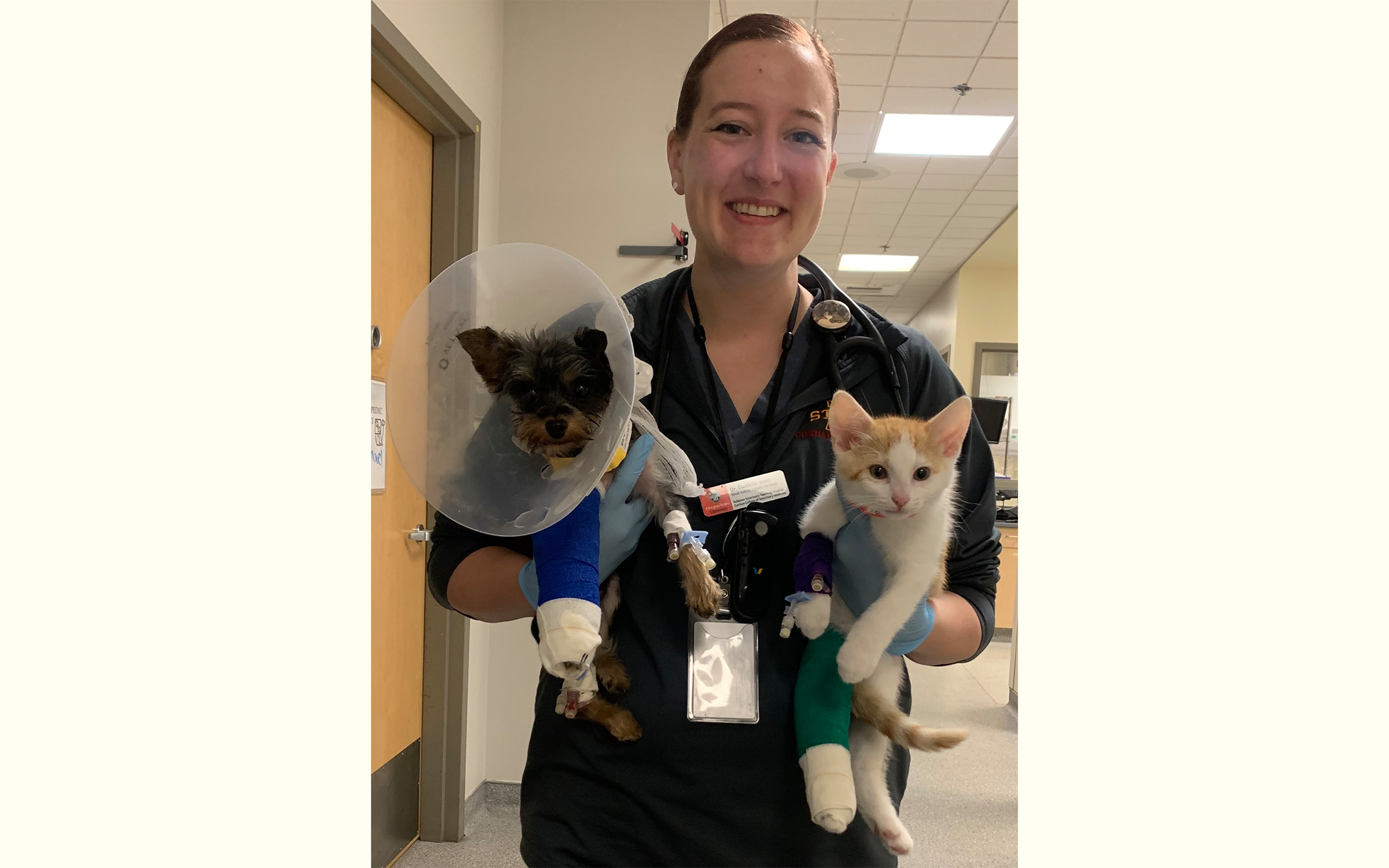
A small animal rotating internship is a year of training across several hospital services, giving doctors a broader view of patient care. At Sunstone, rotating interns care for pets in our Emergency, Internal Medicine, and Surgery services. They help assess patients, develop treatment plans, and track how pets respond to care.
Skilled emergency doctors and board-certified specialists guide them along the way. During “rounds,” the team reviews cases and talks through test results and care options. The team can explore not just what to do, but why a plan fits that pet.
Interns take an active role in patient care, so they must balance that work with study, feedback, and ongoing learning. Completing this demanding year is a real achievement.
Specialty Internships: A More Focused Training Path
After their rotating internship year, some doctors move into emergency medicine, primary care, or other types of practice. Others choose a specialty internship to explore one field more deeply.
At Sunstone, internal medicine specialty interns work with our specialists to care for pets with complex illnesses. They build on their earlier training, now with more time to focus on one field.
This optional step can help doctors who hope to specialize in a specific area of interest to prepare for their next stage of training: a residency.
Veterinary Residencies: Working Toward a Specialty Career
A residency takes that focused learning further. It prepares a doctor for a career as a board-certified specialist, with years of study and patient care in one specialty, for instance Internal Medicine or Surgery.
A small animal internal medicine residency takes at least three years to complete. Residents work with specialists to find the cause of illness, plan treatment, and track how pets respond. They also help guide care for pets who need long-term follow-up.
How Internal Medicine Residents Learn and Teach
Patient care is only part of the work. Residents also do research, study new findings, and prepare for board exams. They teach and discuss cases with other doctors, sharing what they learn.
Learning and teaching go hand in hand. As residents build their skills, they can offer a second set of eyes or help another doctor think through a tough case. The whole team can learn from that exchange.
Finishing a residency is a major milestone, but it does not mean the doctor has earned board certification just yet.
Board-Certified Veterinary Specialists: Earning the Title
Before earning that title, doctors must pass their board exams and meet all the standards set by their specialty organization.
In small animal internal medicine, those standards include case records, research, and publication requirements. The specialty organization checks that the doctor has met each standard before it grants final certification.
The title reflects years of advanced training and a deep focus on one area of veterinary medicine. At Sunstone, our specialty services include internal medicine, surgery, and clinical nutrition—just a few of the many specialties within the veterinary field.
That depth of knowledge can help when a pet’s health problem is hard to solve or manage. Specialists work to find answers, guide treatment, and plan the next steps in care. They also teach the doctors who train with them, helping the next group build their skills.
What Veterinary Training Means for Your Pet at Sunstone
These titles describe different training paths, but each one connects through teamwork. At Sunstone, interns work with skilled doctors and board-certified specialists. Our doctors share findings, discuss cases, and work together on care plans.
Our technicians, assistants, and referral coordinators bring their own skills to that work, too. Caring for your pet takes more than one person, and we value what each team member brings to their care.
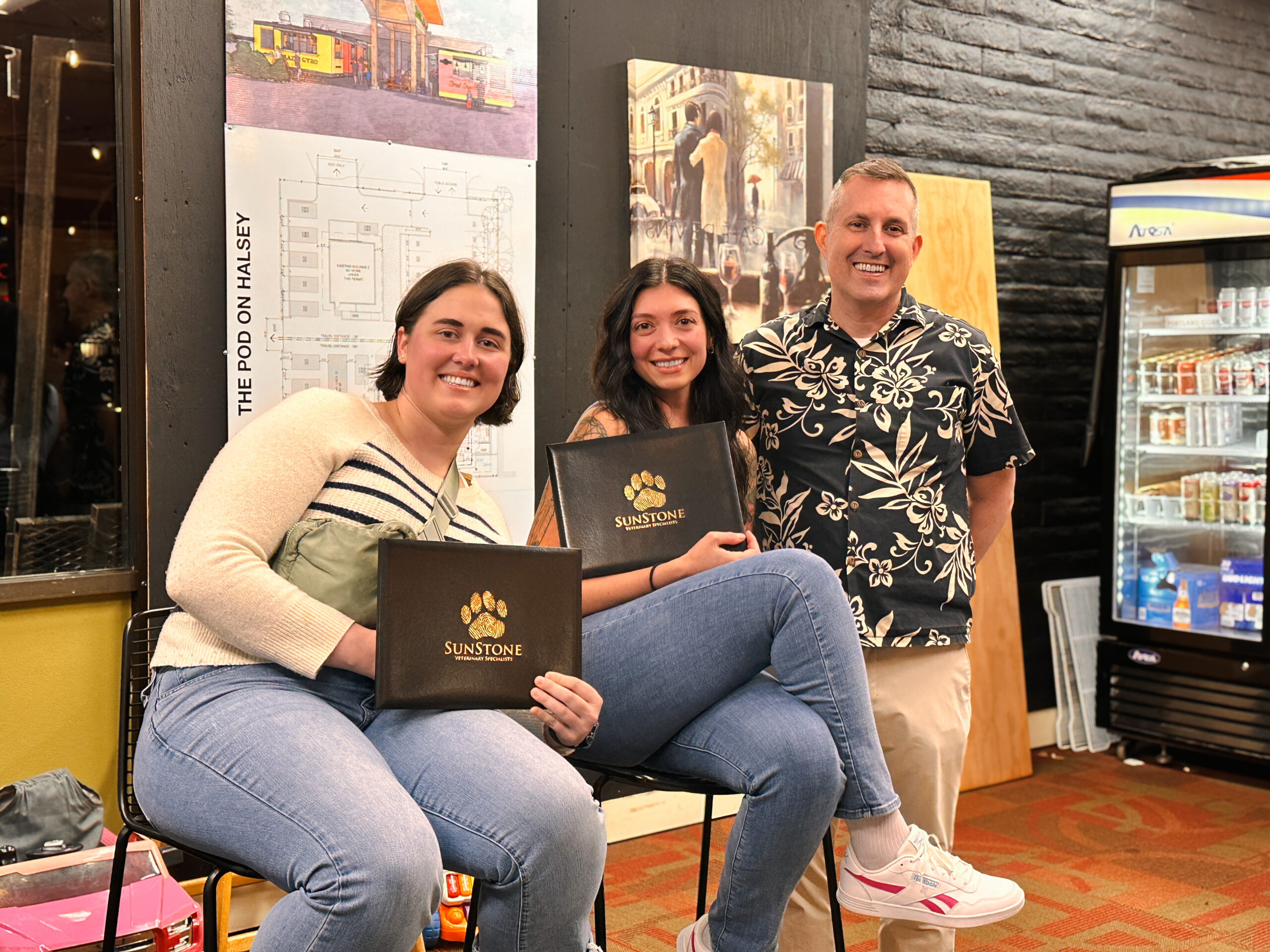
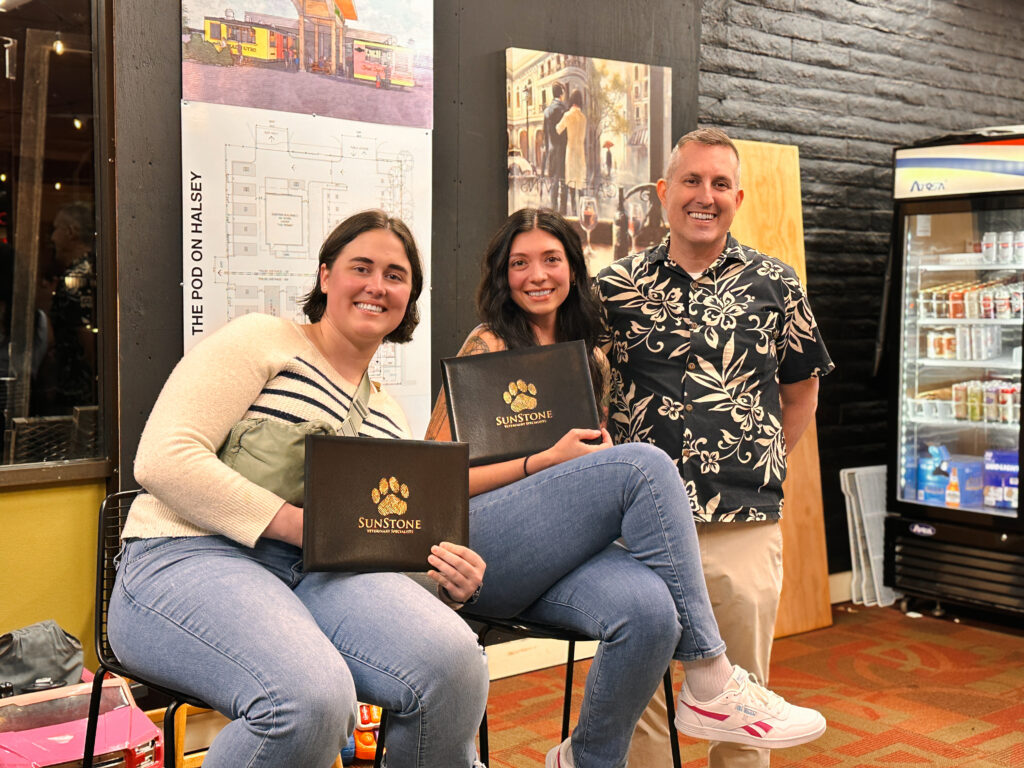
That is why we love to celebrate a doctor finishing an internship or residency. Behind each milestone are pets they have cared for, teammates they have learned from, and skills they will carry into their next chapter.
Specialty and Emergency Veterinary Care in Portland
Sunstone Veterinary Specialists provides advanced specialty and emergency veterinary care for dogs and cats in Portland, Oregon. Our services include veterinary internal medicine, veterinary surgery, veterinary clinical nutrition, and emergency veterinary services.
Have questions about the doctors caring for your pet? Please ask. We are happy to explain each person’s role and how our team works together.